


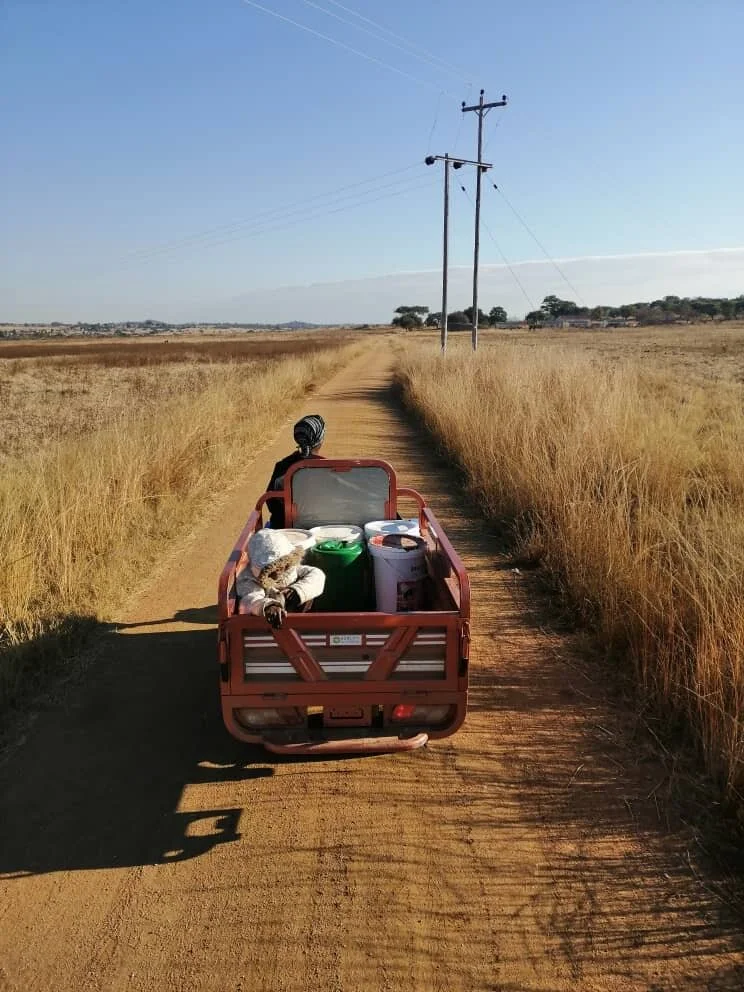

Meet two of the members of Hamba group Pepukai (meaning Wake-Up in Shona): Adefi (in the red, see below) and Blantina. They have shared the hamba with third group member, Rejoice, since Mobility for Africa’s pilot project began in Wedza in 2019.
They all earn most of their living from their horticulture. Adefi also keeps livestock: goats, cows and rabbits and uses the Hamba to help transport milk to sales.
She says that the “good thing about Hamba is we’re not just limited to using it for agricultural activities. We use it for household chores like fetching water and firewood and for example, we can use it in case of emergencies to take each other to hospital, or even if our neighbours encounter problems like a snake bite, even at midnight, we can and will assist.”
“Before Hamba we would have gone on foot everywhere”, Adefi explained, “Now, we save time and even our produce can get to market when it’s still fresh. The market is at least 12-13 km away so before Hamba we would put produce in a basket and on our head but with walking that far in the heat of the sun, by the time we reach the market the vegetables would lose their freshness and we’d not be able to sell as much.”
“We didn’t grow as much before Hamba because we knew we couldn’t take that much to market. Since, [having the Hamba] we have added several more beds and multiplied production by 3 times.”
When asked how they find paying their instalments for the Hamba, Adefi and Blantina agreed they can always manage and Shumi, the site coordinator, added that they even pay earlier than when is due.
100%, all 58, Hamba drivers in Wedza are women and when asked what their husbands thought of the Hamba Adefi said, “of course my husband wants one for himself but it’s our shared thing and our husbands can’t interrupt our using of it because we share and we decide! With agricultural activities being so hands on we share the Hamba weekly but in case of emergency are always flexible.”

International Day of Rural Women 2022
International Day of Rural women was 15th October this year and the UN’s themes for 2022 “Rural Women Cultivating Good Food for All”, showcases the essential role that rural women and girls play in the world’s food systems.
Alongside the climate crisis as a barrier to food production, the mobility crisis interferes with the entire process of food production from the labours of collecting seeds until distribution to markets as well as the further unpaid labours throughout, which fall greater on women.
On 15th October, as well as every day, we celebrate all the rural women involved in our pilot projects. They all demonstrate the importance of women benefiting from mobility through their productive efforts to provide good food!
For example, Nelly, a 64-year-old single farmer, who lives in the hills of Paidamoyo, Chipinge, Zimbabwe. Twice a day she takes at least 18 litres of milk, split between two canisters up the hill to the collection centre. In between milk collection, Nelly tends to her horticulture practices (maize and peanuts) and poultry egg layers.
Since having the Hamba, Nelly said her journey time to milk collection has been reduced by at least 40 minutes a day, but more importantly she explained, “using the Hamba is less of a drain on me, physically and moneywise. Before I would have to use other transport to take my maize for sales. The hamba opens time for me to do other things in the home too.”
Despite the difficult road conditions in Chipinge, Nelly told us, “I’m getting better by the day!” and that her confidence has grown enormously using the Hamba daily.
See Nelly pictured below on the Hamba.

Smarter Mobility Africa Summit 2022
How to make the transition to green transport in Southern Africa a reality was the focus of the annual Smarter Mobility Africa Summit held this year in Pretoria, South Africa from the 5-7 October.
Mobility For Africa’s research and policy person, Lisa Marie, joined Remeredzai Joseph Kuhudzai a sharing their experiences working on Zimbabwe’s E- Mobility policy and roadmap. It was a dynamic discussion on how adopting a forward looking long term policy was critical to attracting investment especially by larger OEMs. They also shared experiences from the year long consultative process and the challenges of bringing many different ministries together to develop and ultimately adopt and implement the policy.
While many countries are now moving forward in developing their own policies, it is urgent that there is a pan African regulatory framework that encourages the larger long term investment needed to fund the infrastructure and ecosystem needed to be built to support and sustain the transition, and leverages the potential of Africa’s more than one billion people and its growing population.
While high-end electric vehicles are now becoming available in the South African market, the Summit highlighted that the real potential of E-mobility is catering to huge need for safe reliable and affordable public transport in both rural and urban areas and the potential for green mass transport, shared transport and micro-mobility.
The SMA Summit presented a great opportunity for Govt., EV operators, OEMs and financiers to come together and discuss ways to take the green mobility agenda forward.
A big congratulations to Ben Pullen and team from SMA summit for a successful event.


Dr Dorah Mwenye's Research
Last month Dr Dorah Mwenye presented her paper titled Renewable Energy and Mechanisation in The Smallholder Sector: Experiences from Wedza E-Mobility Pilot Study at the Biennial Africa CSA stakeholder Conference as part of the Science and Partnership for Agriculture Conference (SPAC).
Dr Dorah has led Mobility for Africa’s research into last and first-mile mobility. Her paper focused on our pilot project in Wedza, Zimbabwe and purposefully targeted 90 women intending to evaluate the use of the Hamba. Taken from the abstract of her paper, she wrote:
“Transport as a challenge to agriculture and along agricultural value chains is often muted in development projects, despite the fact that one of the identified factors that have a potential to accelerate mechanisation in the smallholder sector…is transport.”
“The burden of manual work and reduced rural mobility is borne disproportionately by women farmers...[who] have some of the most diverse transit needs” with both productive and reproductive work.

Dr Dorah Mwenye in action conducting interviews for data collection in Chipinge in August 2022
Using a mixed-method research approach with both qualitative and quantitative data collected through surveys and case studies, the following are some of the conclusions:
The Hamba is a multipurpose technology
o 67% of use towards productive activities (agriculture, hoarding and selling, transport services)
o And 33% to reproductive (fetching water, visiting healthcare clinics, taking children to school)The potential for e- mobility in reducing climate-related challenges is high: For resilient livelihoods, agriculturalists need to think outside the box and propose inclusive policies to tackle as many SDGs as possible using appropriate and sustainable technologies.
Policies on mechanisation should focus on customer hire services and demand creation and provide an enabling environment in the battery and energy sector
New technology to be introduced systematically, step by step, from transport to solar-powered implements such as processing and irrigation equipment that do not depend on fossil fuels.
Dr Dorah’s work is vital for progress marking and learning about development in this space. See her action in MFA activities below.
#Mechanisation #womenfarmers #renewableenergy #ruralmobility #emobility
Meet Selena
Meet Selena, a dairy farmer from Chipinge, Zimbabwe. The Mobility for Africa team spoke to her yesterday during the milk collections.
Before using the Hamba “it took 45 minutes [each way] but that’s if I was really running” she laughed, “now it takes about 20 minutes but would be even less if the road was better”.
Selena brings 18 - 19 litres to collection every morning and about 10 litres in the evening. Before Hamba she said she would have left at least 8 litres at home every morning as it would be too much to carry.

Some of the Mobility for Africa team pictured with Selena (second from left) and her Hamba
As well as dairy farming with her 10 cattle and 4 calves, Selena is kept more than busy with her horticulture and poultry. In-between milk collections she needed to prepare her lands for the planting of her maize seed as well as managing sales of her broilers.
“I enjoy [the driving], it wasn’t hard to get used to [the Hamba]” she told us, which the MFA driving instructors agreed with saying she had taken to it very naturally.
Selena has also taken to supporting two other female dairy farmers who live near her. She transports them and their milk canisters to collection when needed – see all three pictured below.

Transport and Logistics Drivers of Domboshawa
Last week the Mobility for Africa team had a meeting with the enthusiastic drivers of the Transport and Logistics Services in Domboshawa to hear about their experiences so far.
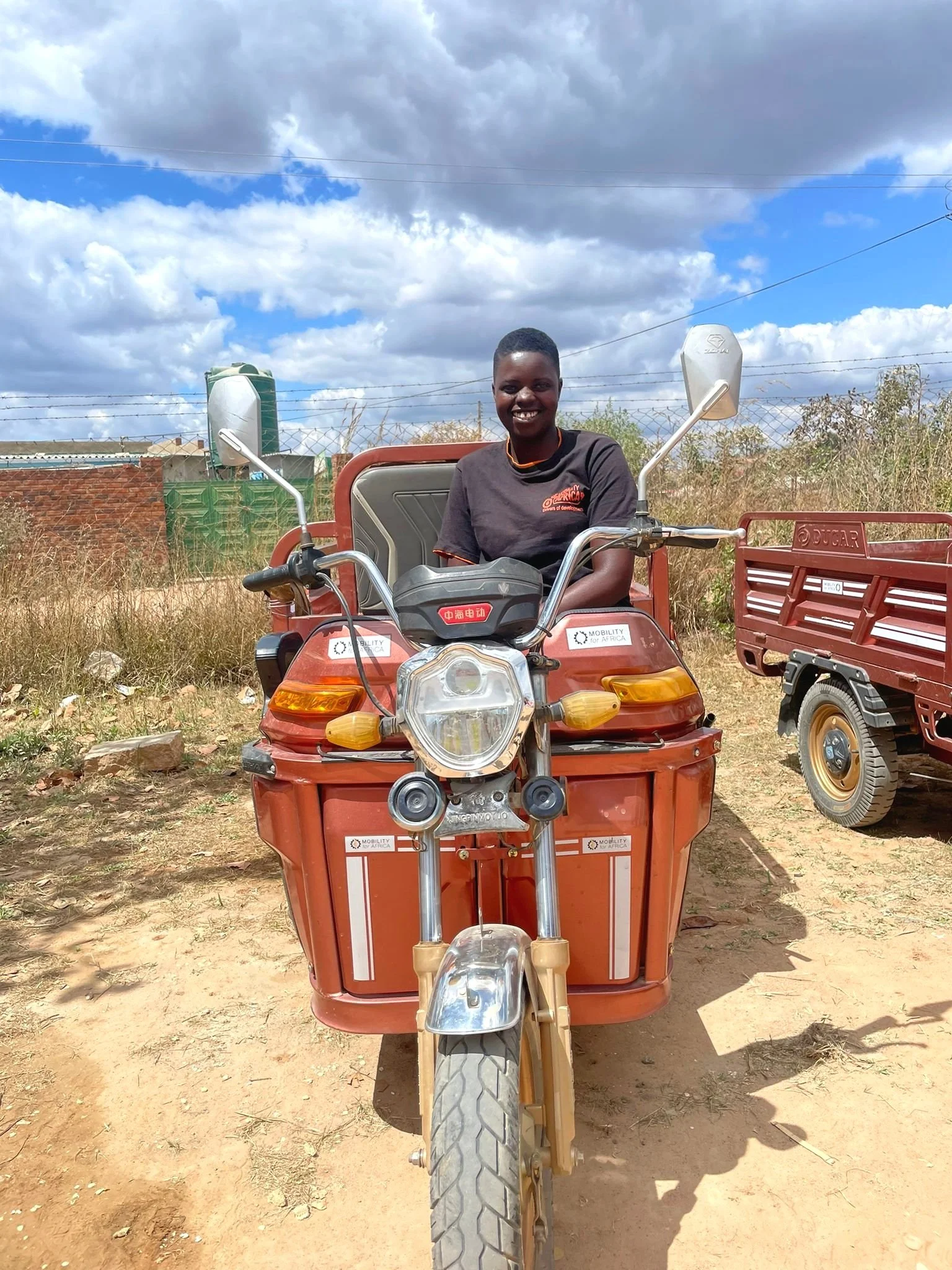
Cleopatra (pictured above) and Kupakwashe (pictured below) have both been driving since June. Cleopatra made the highest revenue and travelled the furthest of all drivers last month. She said, “I’m tired of being a housewife, I needed a job to support my children. I have customers every day, and so every day I can travel”. With two children, 3 and 6 years, Cleopatra described how driving the Hamba allows her flexibility and balance.
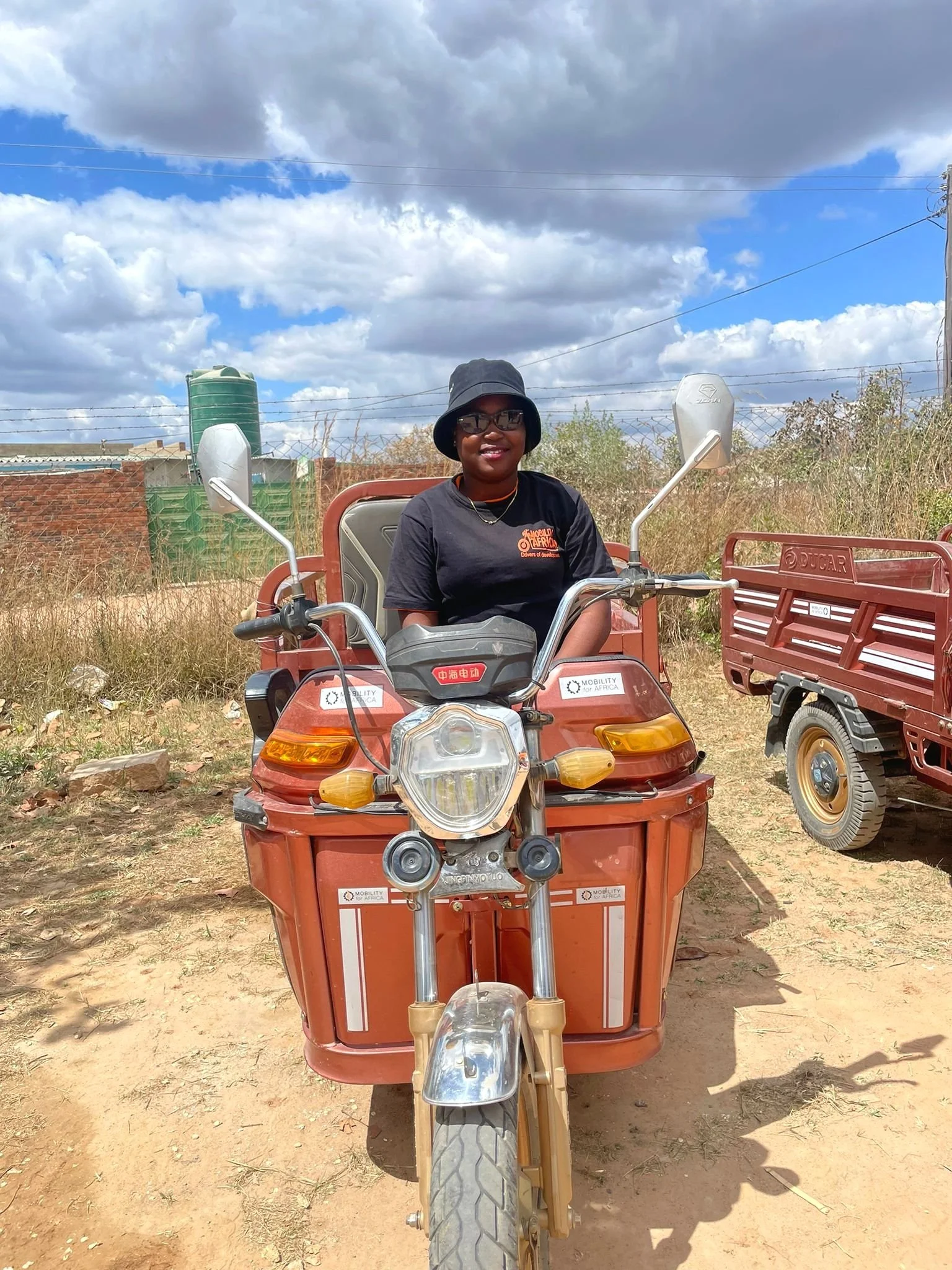
Kupakwashe previously sold clothes for a living which was not enough to support her family. As a single mother of two, 6 and 9-year-olds, she said “I’m the father and the mother, the breadwinner. It’s hard but the Hamba services have been a good solution”.
Regarding acquiring customers Cleopatra said they have high demand because the drivers are reliable, affordable and available 24/7. They are a popular option for local businesses who would otherwise have to hire cars or walk long distances with products and/ or supplies.
“I used to find businesswomen and men and say if you need a ride, talk to me and I’ll do it, now they find us and call up. They know we have a ride, and we’ll do it”, explained Cleopatra. The gender ratio of business owning customers is even and women make up more of the passengers transported.
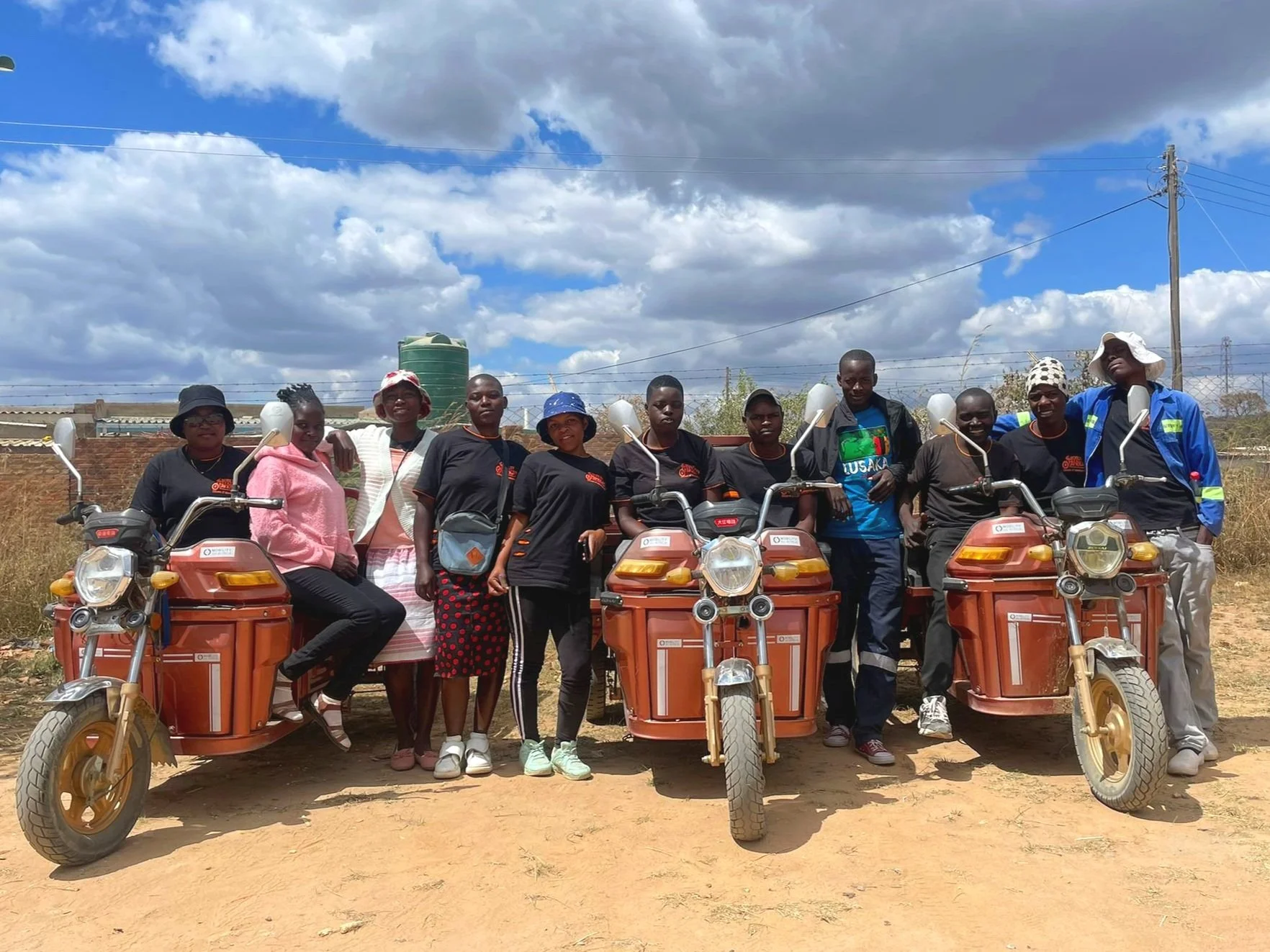
When asked if they would recommend the services to others Cleopatra gestured to the new drivers and those waiting to pass their test saying, “of course, that’s why they’re all here”. The Transport and Logistics team promotes green jobs and the drivers, current and prospective, are keen, motivated and work within groups to support each other and maximise the use of Hamba.
Independent survey demonstrates impact of solving Last Mile Mobility
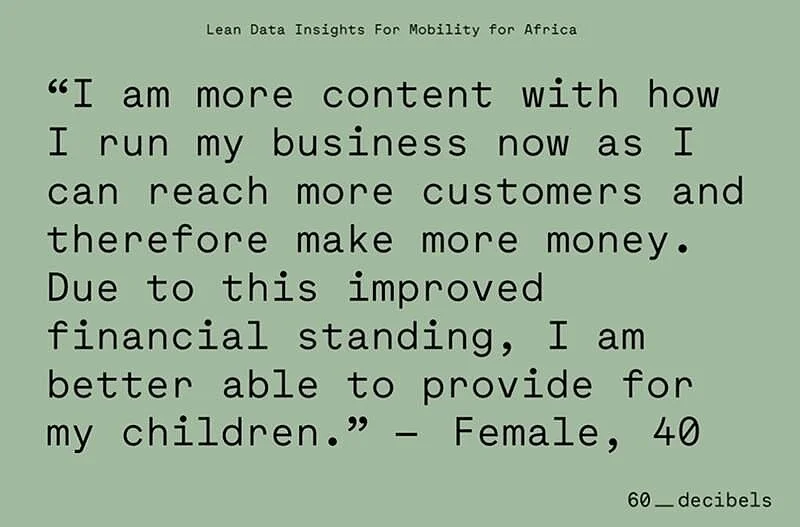
60 Decibels is an impact measurement company that was commissioned by AECF. Using their Lean Data approach to determine our impact. Some of their major findings were that:
• Mobility for Africa is creating a positive impact on women's lives with high customer satisfaction.
• The majority of customers are accessing a service like the Hamba for the first time ( 91%) and could not easily find a good alternative ( 90%).
• Most customers have experienced an improved sense of safety while travelling (92%), decreased travel time (87%) and increased self confidence level (99%).
• Mobility for Africa’s Net Promoter Score (NPS) is 85, which is great.
• All customers are using the Hambas mainly for business-related activities and are seeing an increase in income. Top uses for the Hamba are helping in luggage transportation, general mobility, and serving as a point for selling products.
• Almost all customers have seen improvements in their income, with 7 in 10 saying they’ve seen a significant increase.
Grateful to 60 Decibels team Kat Harrison, Ananya Singh, Jared Wachira Adema for their expertise & Dorah Mwenye, our head of Research for her valuable contribution.

Introducing Phyllis
Introducing Phyllis Omega Mahaso, who joined the Mobility for Africa team in July. She will be joining as the Domboshawa site administrator. Phyllis is 21 and resides in Parirehwa village in Domboshawa. She completed her Ordinary Levels at Nyakudya secondary and her A levels at Parirehwa High School. Phyllis hopes to climb the corporate ladder and grow as a business person. She is energetic, self-driven and focused on service to her community. She is very enthusiastic about her new role and ready to learn a lot about e-mobility.


Deployment of new batteries

June 2022 saw a very busy Mobility for Africa team. They were working on the deployment of batteries and testing technology on fleet management with GPS tracking. This has been an amazing experience and they have all been excited to work together as a team contributing, sharing ideas and moving forward to change lives of many.
The team have had to learn valuable ‘going green’ skills about the battery management system, GPS and new data. They use computers to read the battery and have engaged in battery testing.


Sankalp summit and award
Mobility for Africa were very excited to be awarded 2nd runner up during this year’s Sankalp summit.
The summit hosted over 2000 stakeholders, from 50+ countries around the World, including participants from 30+ African countries. The Sankalp Forum aims to bring the community together engaging with governments, corporations, influential platforms like the G8 and G20, media and civil society to help solve problems we face through inclusive development approaches. Each year, the Sankalp Forum recognizes and rewards high impact enterprises for innovation and entrepreneurship in the Africa region which are keen to tackle key development challenges.
Mobility for Africa was recognised for our effort to disrupt the transportation sector in Zimbabwe focusing on renewable community-based transport solutions that are affordable, efficient, environmentally friendly and serves the multitude.
Nelson Mandela famously said “it always seems impossible, until it is done”. Our journey of learning by trial and error has been guided by his wisdom. Being acknowledged as the 2nd runner up in the Sankalp Africa Awards has made us all the more determined to change the way rural people, especially women, travel.

Transport needs in Wedza
Wedza is a district in the province of Mashonaland East Zimbabwe, about 127km south of Harare, home to a population of 70,677. It is home to many small-scale farmers, who grow a range of crops from maize to sweet potatoes to tomatoes and beans. Yet, the majority, while productive farmers, face huge hurdles ferrying farm produce from their fields to the nearest markets. Often, they grow perishable crops that need reach a customer quickly.

Wedza is also the home of Mobility for Africa’s pilot site, where for the last 3 years we have been testing different ways an E tricycle, charged through a battery swapping model and driven by women, can serve the enormous last mile transport needs.
With petrol prices having risen dramatically, the existing shortage of buses and combis travelling to rural areas has become even more acute. Renting old secondhand cars is expensive in rural areas and doesn’t serve the door to field and field to market needs for many farmers, especially the women, who often spend hours of their day lugging heavy loads trying to find a market for their produce.
Over the past week the team from Mobility for Africa team conducted a transport survey across villages spanning the 30 km radius from the major transport locations and local markets. The objective of the survey was to assess and see how we can provide safe, reliable, and efficient transport solutions that change the way people move. Building on our existing transport and logistics service, Mobility for Africa will use the results of the survey to expand our fleet to even remoter communities to service the enormous demand.
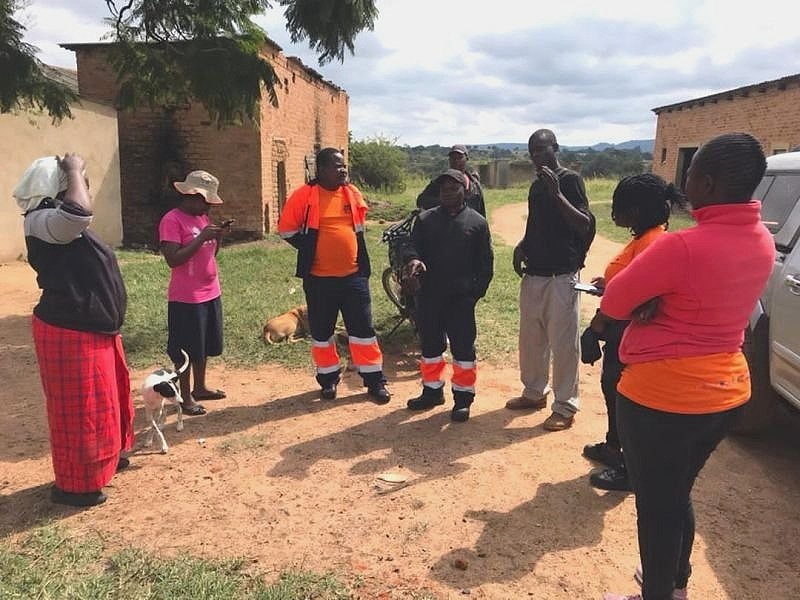
MFA TRANSPORT SURVEY IN DOMBOSHAVA
Small-scale farmers and traders have been facing hardships on ferrying their produce to the markets for a long time, spending so much money on transport and long hours waiting for transport. These were the major findings from transport survey in Domboshava, a peri urban area 20 km from Zimbabwe’s capital city Harare, home to an estimated 225,000 people, many small-scale farmers, and traders. The purpose of the survey was for Mobility for Africa to identify where our green sustainable transport and logistics services, using the Hamba, could have the greatest impact.

The team found the following:
• The economic prosperity of local economy and household income is dependent on the exchange of goods, agricultural produce and labour between it and the townships. Current motorized transport services are up to 10 to 20km away from respondents’ homes. Sometimes these trips were made on foot and goods carried.
• On average, the access point for vehicles is 4.4 to 5.2km distance from the village and some respondents needed to carry their goods straight from their fields or homes to this access point.
• Off the main roads, communities tend to receive only very infrequent transport services. The unavailability of transport services was the main reason respondents are not travelling as much as needed.
• More than 85% of respondents do not even own a car and would rather just pay for transport services like Hamba. Over 90% of the respondents said they would be willing to pay.
• With current transport options being infrequent, respondents had described a roster system for when to travel with the few motorists in their areas operating several routes and switching from one to another depending on the road conditions, fuel availability and affordability.

VACCINATION OUTREACH PROGRAMS TO SCHOOLS
March 2022 was a very busy month for Sister chidemo and colleagues, conducting outreach programs to schools in different villages for the vaccination of pupils. They have managed to reach areas like Sheba, Chipesa, Mushangwe, Mavambo and Nyarurwi and accomplished their task within a short space of time. Records have it that, these programs would take more than three weeks or so to conduct, but with aid of Hamba as a means of transport, the nurses find it easier to cover all areas within a short space of time.

Now several students have been vaccinated and protected from COVID 19. 528 students were vaccinated out of 852 that was targeted. Unfortunately, some students were not vaccinated because of their parents’ strong religious beliefs and did not attend school during the days of the campaign. The impact of the Hamba has been invaluable in enabling the nurses to visit and access more remote areas and encourage parents to treasure their children’s health. Mobility for Africa believe in bringing positive disruptive change to improve access to social services to achieve better health and education outcomes.

Meet Melody
Today we are featuring a very inspiring women named Melody who uses our Hamba in Domboshowa. She is a chicken farmer and also grows some food crops. What makes Melody particularly remarkable is that she lost her hand in April of 2011 in a car accident and subsequently has become a passionate spokesperson for disabled people within her community by sharing her own experiences in a positive and open way.
She has approximately 1200 chickens on her farm and sells their eggs and meat at the local market in Domboshowa. Having moved there from Harare with nothing in 2014, her farm is now one of the largest poultry farms in the area. She mills her own maize and other crops on sight to make chicken feed which also services the community at large. She runs her chicken farm alongside her husband Kenneth and also mentors’ other farmers in her local area.
When she moved to Domboshowa, Melody and her husband decided to put their passion of chicken rearing and farming into action. With the help of a German layers project, they built the coops, runs and chicken houses, expanding from 30 birds to 600 to 1200 birds.
The Hamba has changed the way that Melody does her business dramatically. Her employees would previously take a wheelbarrow to the nearest showground to pick up feed but is located over 2.5km away, meaning that task was long, unproductive and arduous. Now she can take the Hamba herself for just a dollar that covers 3-4 trips to the show ground and back, therefore reducing her expenses and enabling her to be more productive. She described learning to drive the Hamba as adventurous and as an exciting opportunity to travel quicker and easier. She sees the Hamba as well balanced and easy to drive compared to other wider vehicles as the smaller, narrower Hamba allows her to pass other traffic easily on narrow roads.
Melody loves to share the knowledge and information that she has to other poultry farmers in the area which means that her business improvements have a significant impact on the wider community. She is an inspiration to other women and men in her community as they aspire to have her energy, drive and determination to succeed in her business despite the setbacks she has faced with the loss of her arm.
EV Policy Framework and Roadmap in Zimbabwe
Almost a year ago, Mobility for Africa joined with PManifold, an EV consultancy company in India, to work on a consultancy to develop Zimbabwe’s Electric Vehicle Policy Framework and Roadmap. The process, which was initiated by Ministry of Environment, Tourism and Ministry of Energy & Power through funding from CTCN (Climate Technology Climate Network) and UNEP DT unit, has been a fascinating journey into understanding the challenges of the transport sector, the potential of electric mobility to address them, and the urgent need to put in place aa regulatory framework for this emerging sector. With momentum growing now around the world to transition to green transport, there has been a flurry of activity across countries in the continent. While East Africa has moved quickly into this space, now home to more than 50 start-ups working on getting motor bikes taxis to go green, there is now a push in Southern Africa to start the shift. In Zimbabwe, like many countries in the region, vehicle classification is outdated, managed by multiple departments and Ministries and have few incentives for either industry or potential customers to go electric. The draft policy along with targets will hopefully be adopted in early 2022 and can speed up the action and investment needed to make this transition a reality.'
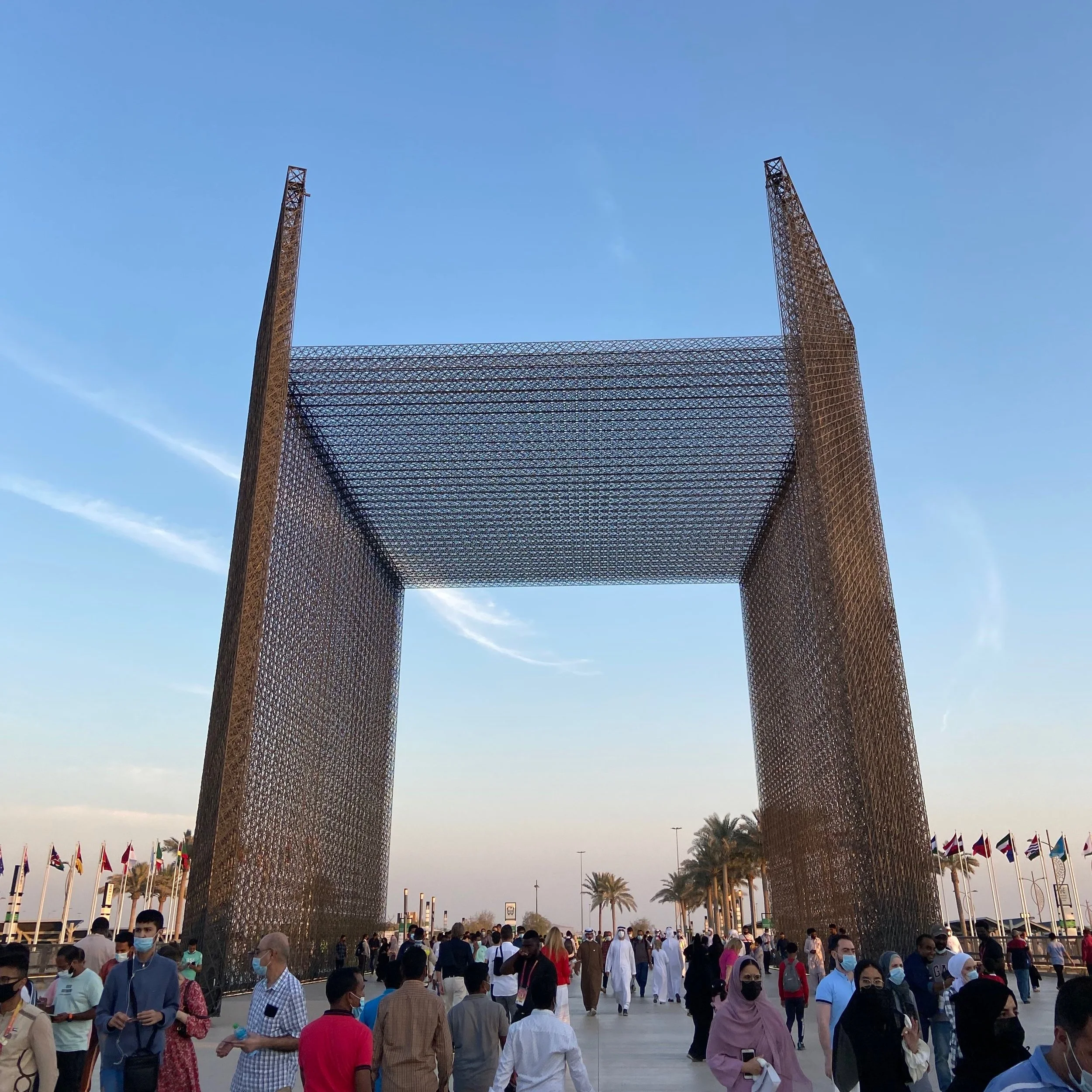
Mobility For Africa at Expo 2020 Dubai
Fadzie at the Nkwanzi Women Leadership Development Training
This year in November, our Project Manager Fadzie was invited to the Nkwanzi Women Leadership Development Training organised by AECF in Nairobi, Kenya. The 3 day program was designed to address the needs of women in leadership and help them gain a greater understanding of a leader's responsibilities.
It was an awesome session with deep self reflection, it really equipped me for transformative leadership. In short, Fadzai said that the training empowered her to efficiently lead in a professional way. She got to understand how to maximize team performance by understanding behavioural preferences as they may influence personal style in the workplace. Thank you to AECF for their continued support and for organising such an inspiring, interesting and useful training programme.


IPVC Domboshava Live Bird and Egg Market Launch
While most of us grow up being told eggs are a good source of protein, in #Zimbabwe the per capita consumption of eggs is less than 30 per year. So how do we get more eggs produced, make them more available especially in urban areas where malnutrition is a problem and convince people they make a delicious meal?
That is why a consortium of NGOS, (COSPE, Cultivating New Frontiers in Agriculture (CNFA), Livestock and Meat Advisory Council (LMAC), Sustainable Agriculture Trust (SAT) and WeltHungerHilfe (WHH), with funding from the EU supported Zimbabwe Agricultural Growth Programme (ZAGP) set up the Inclusive Poultry Value Chain (IPVC) Initiative.
They are working to solve this problem. Priority is to get more small-scale farmers to move into chicken laying to produce more eggs and then help them access new markets in high density areas. And there has been some success. Egg production grew from 14 million dozen in 2009 to 36 million in 2018. Yet there is huge potential to expand.
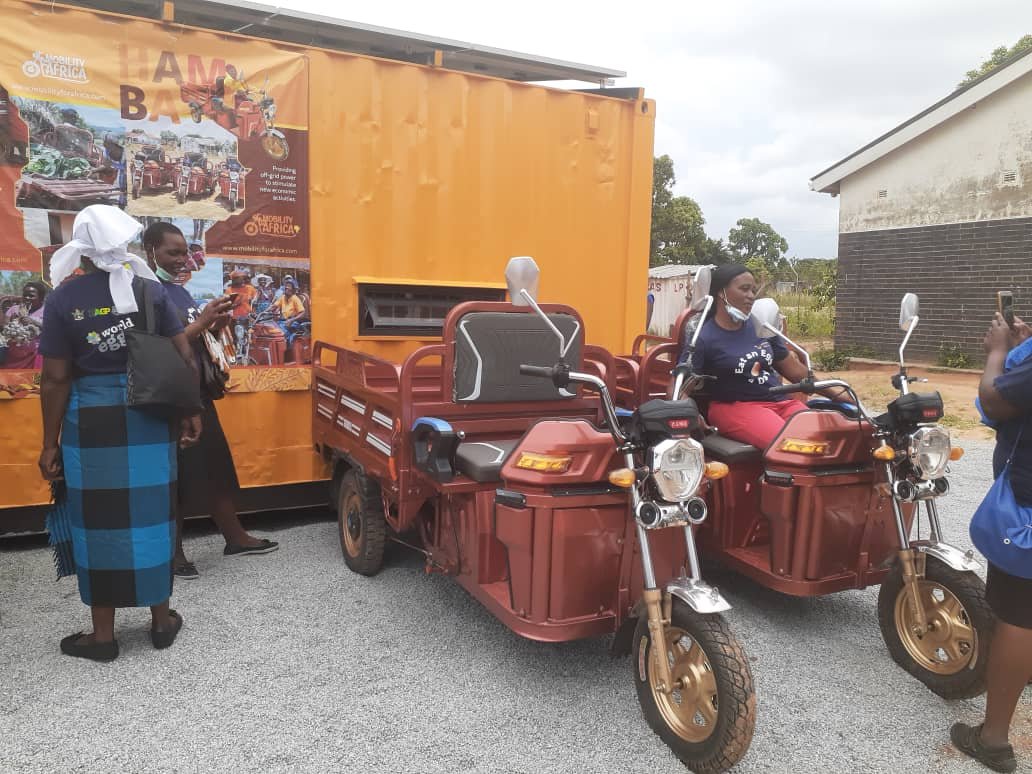
The Mobility for Africa team was in action at the official launch of the IPVC Domboshava Live Bird and Egg Market Launch, yesterday, demonstrating how the battery charging station works and hearing from small scale producers benefiting from the Hamba.
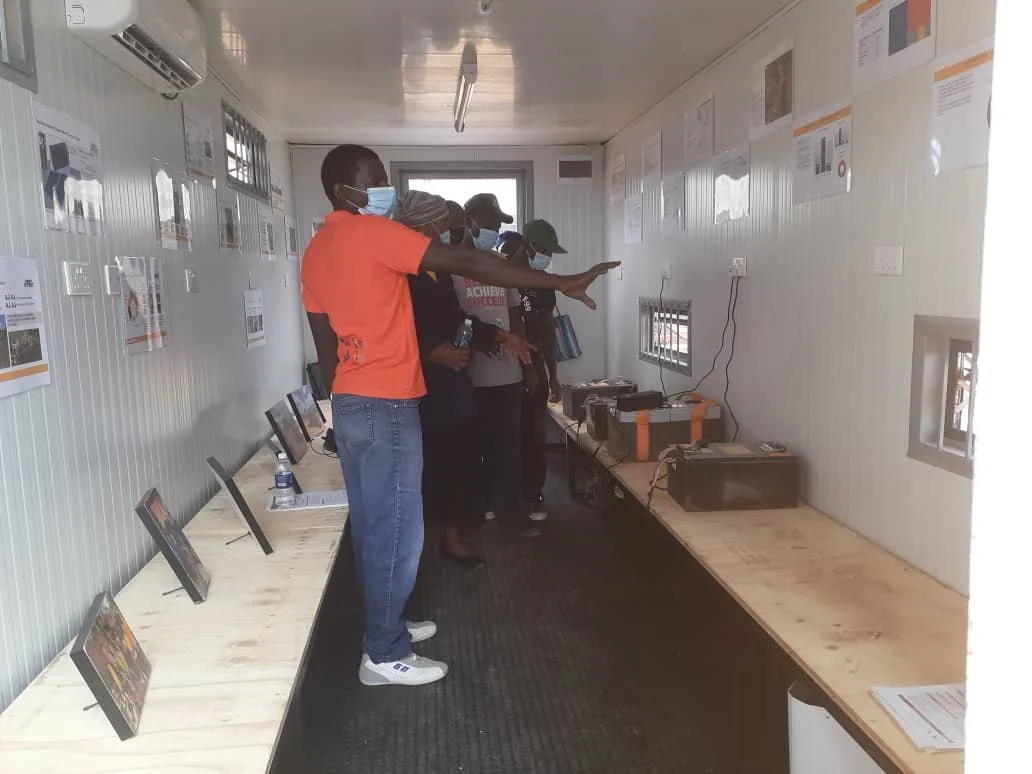
Small scale poultry farmers in Dombashwa, a peri urban community outside of Harare, will benefit from getting access to cheaper stockfeed and an egg aggregation centre that will help them get more value for their eggs by giving them market access in other areas to increase the prices. And so is the partnership with Mobility for Africa. Their last mile transport problem is being solved. In groups of 5, these farmers using the Hamba together, can now pick up stock feed easily, deliver more eggs to the aggregation centre, increase their profits and with the time saved, focus on their chickens.
Mrs FP Banhwa, the Mahsonaland East Provincial Development Coordinator, officially opened the market along with local chiefs, government department representatives, NGO representatives and the farmers themselves. All those who have completed the 5-day training in how to drive the Hamba were also presented with their certificates.
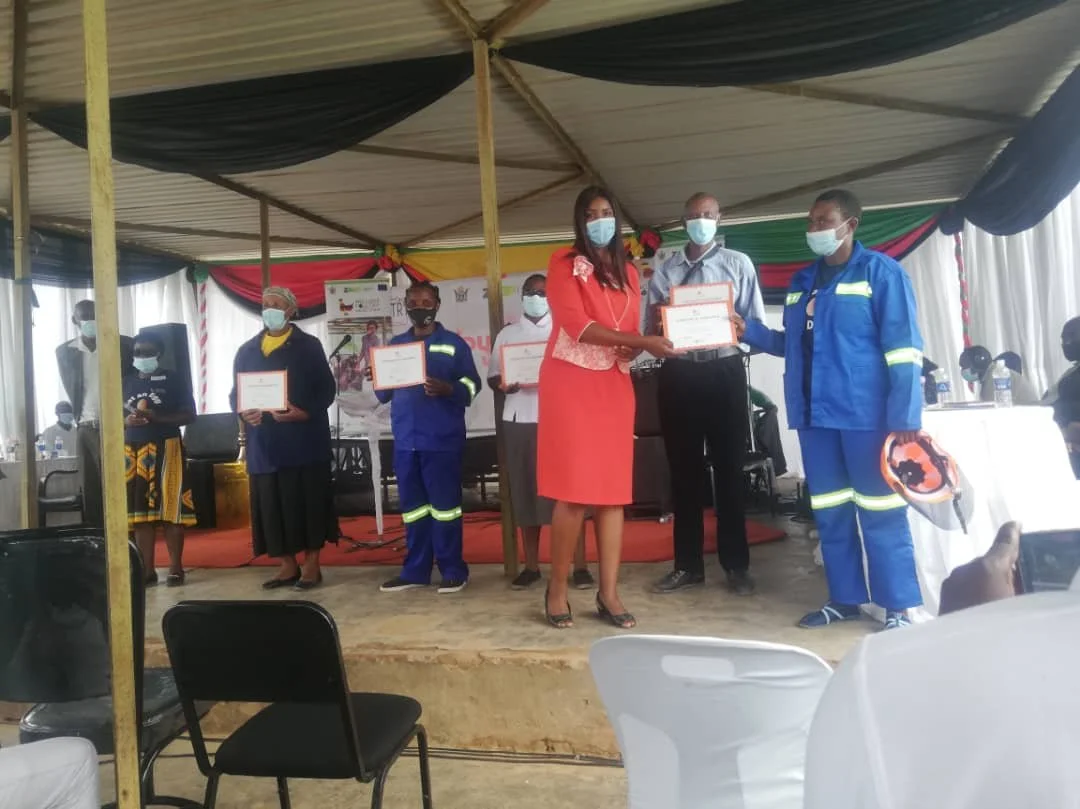
Thanks to our support from EEP, AECF and TMF, Mobility For Africa plans to expand the fleet from the initial 20 over the next few months to also include transport and logistics services.
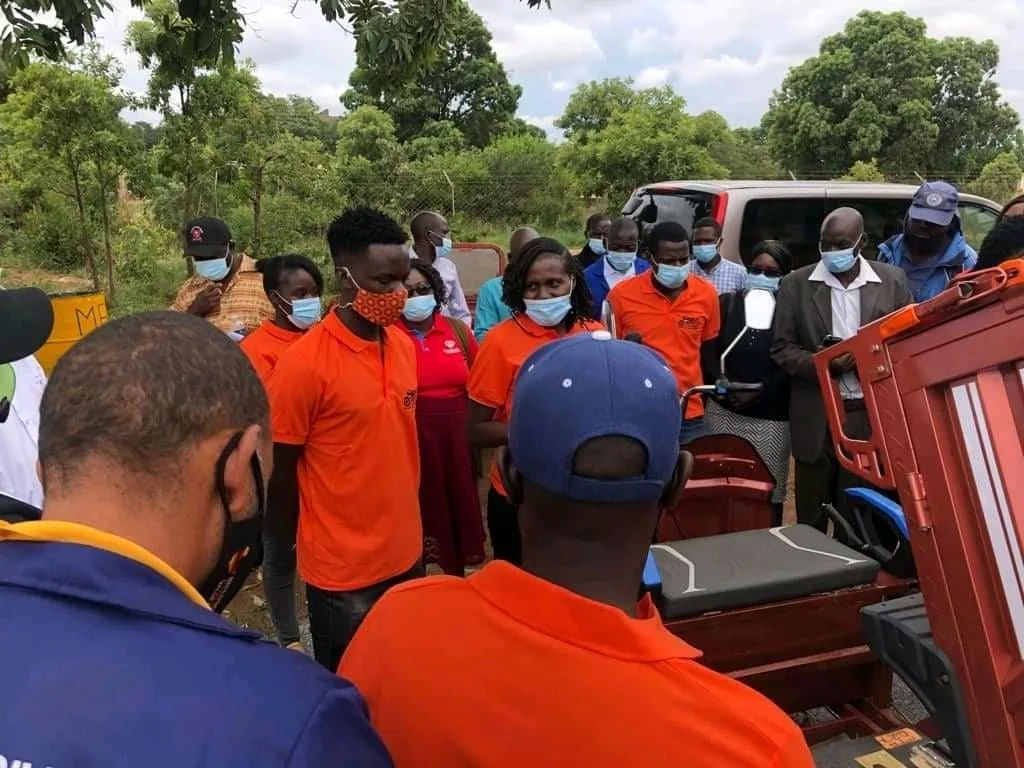
DOMBOSHOWA DRIVING LESSONS

MFA Reception at the Australian Embassy
In late November we held a reception at the Australian Embassy in Harare, kindly hosted by Ambassador Bronte Moules.
At the reception there was be an engaging and insightful panel discussion between our director of research, Dr Dorah, Shantha and one of our inspiring participants from Domboshava, Melody. The discussion provided first-hand perspectives on the challenges around ruralmobility and the solutions that electric vehicles offer.
There were also chances to ride the Hamba in the garden of the embassy and Melody even taught Ambassador Bronte how to drive it herself. Melody has approximately 1200 chickens on her farm and sells their eggs and meat at the local market in Domboshova. Having moved from Harare to Domboshova with nothing in 2014, her farm is now one of the largest poultry farms in the area. Melody drives her Hamba with one arm, certainly making her one of our most remarkable and inspiringparticipants.
We are so grateful to the Ambassador and Embassy staff for hosting this event, especially as we celebrate our launch at the Dubai Expo later this month. Stay tuned for more updates on our Expo2020 journey. Thank you to the organising team and also to everybody who attended!